
When Bombs Fall, the Climate Pays the Price

Updated: Aug 9, 2025
As fighters jets and missiles roar through Middle Eastern skies and bombs shatter communities from Gaza to Beirut, Tehran and Kyiv, attention rightly fixes on immediate human suffering. But beneath these immediate tragedies lies a longer-term and under-discussed cost: war’s devastating impact on our climate and the environment.
The war in Ukraine, Israel’s carpet bombing of Gaza, and US airstrikes on Iran’s nuclear facilities are a reminder that modern conflicts are environmental catastrophes in their own right. Each missile strike, each burning tank, and each devastated building adds to a climate crisis already at tipping point.
Wars are notoriously carbon-intensive. Globally, military activities emit about 5.5% of all greenhouse gases - more than many industrialised countries, including Australia. But these emissions go unnoticed, unreported, and certainly under-addressed. When communities become battlegrounds, greenhouse gas emissions spike dramatically. Recent research estimates Israel’s genocide campaign in Gaza has produced emissions equivalent to nearly 1.9 million tonnes of CO₂. Add reconstruction, debris removal, and restoration, and that figure balloons to more than 30 million tonnes - emissions greater than many nations combined.
And of course, the environmental impacts of war extend beyond direct carbon emissions. War devastates ecosystems and biodiversity. Israel’s bombs have obliterated around 80% of Gaza’s tree cover and destroyed and polluted most of its farmland, leaving behind millions of tonnes of toxic rubble - polluted with asbestos, heavy metals, and remnants of explosives like white phosphorus. This contamination has poisoned the soil, groundwater, and coastal waters. It has turned once-fertile land into wasteland that will burden future generations with ecological and health crises for decades, if not longer.
The story is similar in Ukraine where wildfires ignited by combat have already generated over 230 million tonnes of CO₂ emissions, and destruction of dams and infrastructure has unleashed toxic floods and contaminated farmlands and waterways.
And here’s the real kicker! Despite the obvious connection between warfare and climate damage, military emissions are exempt from international reporting requirements. This is a glaring omission from climate accountability frameworks. As if atmospheric physics doesn’t care about emissions from warfare! This omission hides one of humanity’s most significant sources of greenhouse gases and allows leaders and military planners to avoid responsibility for their contributions to climate instability.
It is time for global leaders and climate activists to recognise and speak openly about war as not just a human catastrophe but an environmental one too. Military carbon footprints must be included in international climate reporting.
Our planet’s future hinges not only on ending wars but also fully accounting for the immense environmental toll they exact. War and climate change are intertwined global emergencies. As bombs continue to fall, humanity must urgently confront the dual reality: peace is essential for climate safety, and climate safety is essential for peace.


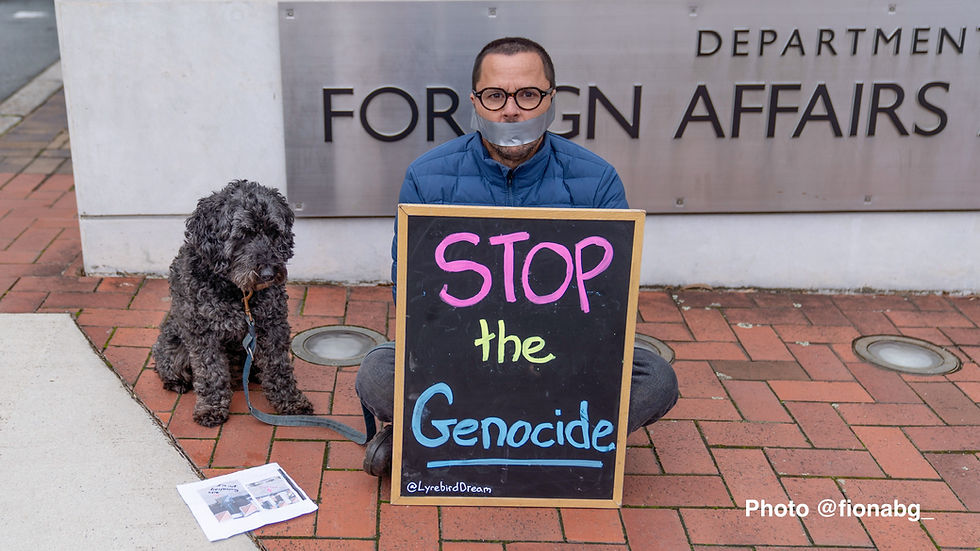
In the aftermath of war, when sociopathic destroyers of humanity have scorched the earth with their weapons and bombs, generations of children will inherit a global catastrophe. They will inherit an unsustainable future of rising temperatures, unhealthy, diseased bodies, a lack of resources, and the weighty burden of medical and community care needed for shattered lives, permanent disabilities and traumatised minds. If there is one singular event that is most likely to tip humanity over the edge and cause the collapse of civilisation, it is war.
Why would we be so unethical and so utterly stupid? In a nutshell, this says very little for our intelligence as a species! Instead of destroying ourselves and our children’s future, how much good…
👍🏽
This new Australian Govt initiative on renewables, could easily get lost in the Gawa sitcho.