
COP31: The fox was in charge of the henhouse

With atmospheric carbon dioxide at its highest level in human history and communities enduring worsening climate disasters, COP31 ended without an overarching agreement.
As the supposed ‘leader’ of the negotiations. Australia put before the world a proposed deal that omitted explicit mention of fossil fuels but promoted carbon capture. Many countries refused to accept that dodgy deal. So it collapsed.
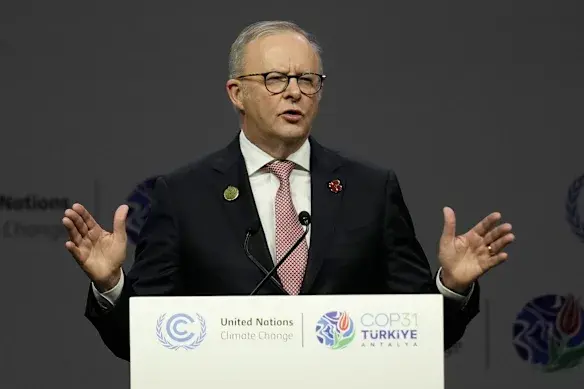
The world left Antalya without the agreement it urgently needed. This is what happens when you put the fox in charge of the hen house. A government committed to expanding fossil-fuel exports was entrusted with leading negotiations that needed to confront fossil-fuel dependence. The contradiction was there from the start.
The Albanese Government thought it could use COP31 to spin its climate credentials. Instead, it allowed the fossil fuel industry to keep driving the crisis. You can’t resolve that contradiction with another photograph beside a Pacific leader or a Facebook post about solar panels.
Australia’s original ambition was to host the summit with the Pacific. Türkiye wouldn’t withdraw its competing bid. So a compromise put the main conference in Antalya but gave Australia leadership of the negotiations. Losing the venue was a setback. But what we did with the authority we retained matters much more.
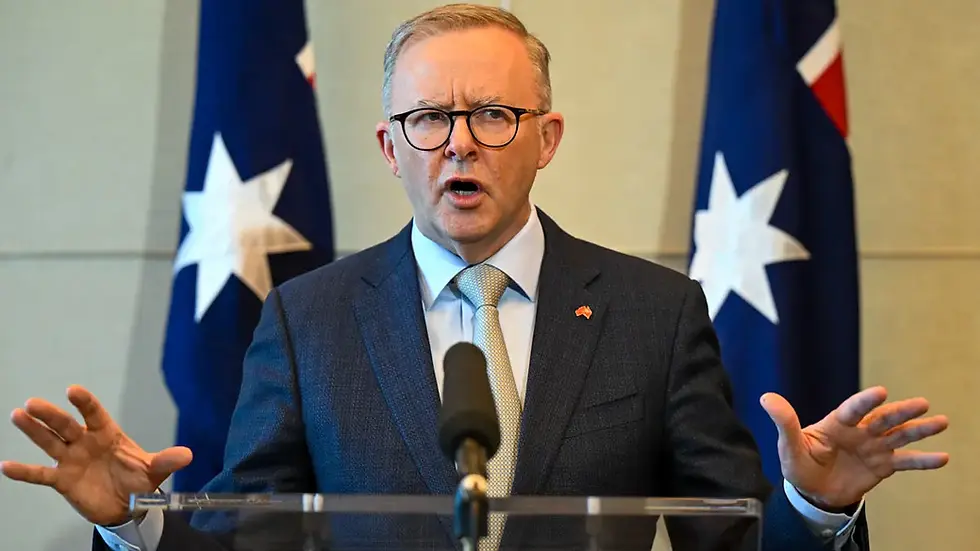
Chris Bowen, as President of Negotiations, played the role of an umpire pursuing lowest-common denominator outcomes when it gets too hard. Having represented Australia in UN climate negotiations, I understand how difficult consensus can be. I know the exhaustion, the competing demands and the pressure to find words everyone can accept. But consensus is a negotiating requirement. It isn’t, by itself, a measure of success. That’s why when I heard Chris Bowen mention “pragmatic consensus” at the beginning of the negotiations, I saw a red flag. I asked myself: pragmatic for whom? For Pacific communities confronting rising seas? For First Nations peoples caring for Country that’s collapsing? For young people who will live with the consequences? For old people dieing in heatwaves? Or for governments and corporations determined to keep selling coal, oil and gas?
Australia’s proposed cover decision offered a revealing answer. It found room for carbon capture, utilisation and storage. But it couldn’t explicitly name the fossil fuels whose emissions those technologies were supposed to address. That combination matters. The key problem isn’t even whether an individual carbon-capture project can work. It’s the political use of fantasy promises about future capture to excuse continued fossil-fuel expansionism today. Keep extracting. Keep exporting. Keep burning. Trust that technology will eventually deal with the pollution. An aspiration for future deployment is not a delivered emissions reduction. It can’t be political cover for more gas fields, oil wells and coal mines.
The proposed text did mention clean energy and renewables. It also recalled earlier agreements, including the global stocktake that contained the commitment to transition away from fossil fuels. But ‘recalling an earlier agreement’ is a step backwards. And clearly no substitute for advancing its implementation. Australia’s promotion of electrification without a clear requirement that it not come from coal or gas also reaffirmed the hollowness.
Thankfully, many countries - including the EU and UK - refused to buy into Australia’s appeasement. And that distinction must be preserved. COP31 didn’t adopt Australia’s proposed decision that omitted fossil fuels and promoted carbon capture. So the deal failed. And Australia failed. Those who rejected the deal should be proud of, not blamed, for the breakdown. Refusing to endorse an inadequate agreement was an act of leadership. The responsibility lay with those who obstructed meaningful action and those - particularly Australia as lead - who asked everyone else to accommodate that obstruction.
As COP31 dragged into overtime, campaigners were calling it the “worst COP ever”. Its collapse will certainly deepen questions about whether the COP process can deliver what the climate crisis demands. Atmospheric carbon dioxide is now higher than at any time in at least two million years. Every delay adds to the costs now, and the burden future generations must carry. The atmosphere doesn’t wait for diplomatic recovery.
At COP31, Australia helped deliver another devastating blow to public confidence. Whether this becomes a turning point towards reform or another step towards irrelevance remains to be seen. I still want to believe in international cooperation. Walking away won’t save us from dangerous climate change. But believing in cooperation and a process that has allowed emissions from fossil fuels to grow by almost two-thirds over the last 30 years is naieve. We can’t pretend that agreement at any price is progress.
And that was Australia’s mistake. Real leadership required confronting the interests preventing inaction, and being honest about the incompatibility between continued fossil-fuel expansion and a safe climate. Instead, Australia asked the world to stick its head in the sand on fossil fuels while promoting carbon capture which has never proven itself to be commercially and scientifically viable.
That’s the fox in charge of the henhouse. We all deserved better.


A total slam dunk by the fossil fuel industry. They can do it because they can. Not just total government capture by industry - in
Australia and both major parties - but a media sphere dominated by disinformation makes it easy for the denialists and appeasers to have the upper hand, politically.
COP by itself is a blocking mechanism to any meaningful action. Imagine an international meeting on lung cancer prevention where nowhere in the text are cigarettes mentioned.
Hi Gregory. I agree. We met at ACSA conference and subsequently co-authored an article for The Conversation. Lets talk about a process for a possible community and traditional owner led Climate Action Plan. Adam 0418726584
I agree Gregory. The COP process is basically dead in the water. With the fossil fuel exporter Kazakhstan last year hosting COP and now fossil fuel exporter Australia this year involved, what chance is there of the COP actually achieving its goals? Maybe the third world country Ethiopia suffering from climate change might force the issue next year. Australia cannot keep exporting fossil fuels.
such hypocrisy all the wat in deciving he Pacifi ntions, cliaming climate change was in the Heart of austrlia when all thye want is export more coal&gas to make a few richer
Well said Gregory, but so deeply sad: “The world left Antalya without the agreement it urgently needed. This is what happens when you put the fox in charge of the hen house. A government committed to expanding fossil-fuel exports was entrusted with leading negotiations that needed to confront fossil-fuel dependence. The contradiction was there from the start.”